Care
Washing a silk scarf at home
Client Services · 12 October 2026 · 2 min read
Updated

Test the colour first. Then cool water, a little neutral detergent, three minutes, no wringing, and dry flat out of the sun.
The short answer: most plain silk scarves can be hand washed. Test for colour run first, wash for a few minutes in cool water with a small amount of neutral detergent, rinse, press the water out in a white towel and dry flat away from sunlight. If the label says dry clean only, or the colour test fails, take it to a cleaner.
Before anything else: the care label and the colour test
The care label comes first. Printed scarves with strong, saturated colours and hand-rolled edges are often marked dry clean only, and that instruction should be followed.
If the label allows washing, test a hidden corner. Dampen it with cool water and press it against a white cloth for half a minute. If any colour comes off, do not wash the scarf at home.
What you need
- A clean basin
- Cool water, no warmer than you would wash your face in
- A detergent made for silk or wool, with no enzymes, bleach or brighteners
- Two clean white towels
Ordinary laundry detergents are made to break down protein stains. Silk is a protein. That is the whole reason for a gentle detergent.
The method
Dissolve a small amount of detergent in the water before the scarf goes in. Lower the scarf and move it slowly through the water for three to five minutes. Do not rub, scrub or twist it, and do not leave it to soak: long soaking lets dye travel.
Lift it out supporting the whole weight, and rinse in fresh cool water until the water is clear. Two or three changes is usual.
Drying
Never wring silk. Lay the scarf flat on a white towel, roll the towel up and press gently so the towel takes the water. Unroll, move the scarf to a dry towel and leave it flat, in the shade. Direct sun fades dye and weakens the fibre.
Pressing
Iron while the scarf is still very slightly damp, on the lowest setting, on the reverse side. Keep the iron off a rolled edge: pressing it flat undoes the work that made it. Iron up to the roll and stop.
Stains
Blot, do not rub. Water on its own can leave a ring on some silks, so treating one spot is riskier than washing the whole piece. Oil, make-up and wine are best left to a cleaner, told what the stain is and how old it is. Perfume and hairspray mark silk too; put them on first and let them dry before the scarf.
Storing
Keep silk clean, dry and out of the light. Folded is fine for scarves in regular use; refold along different lines from time to time so a crease does not set. For a piece put away for months, museums interleave silk with unbuffered acid-free tissue and avoid plain cardboard and bare wood, which give off acids that yellow cloth over time.
Related: how to tell real silk and how silk is weighed. Our care notes for each piece are on its page, for example the silk twill scarf, and general guidance is in the size and care guide.
Sources and further reading
- Caring for your collections: textile conservation tips, Winterthur Museum.
- Textile care and display, The George Washington University Museum and The Textile Museum.
- silk
- care
Pieces in this story
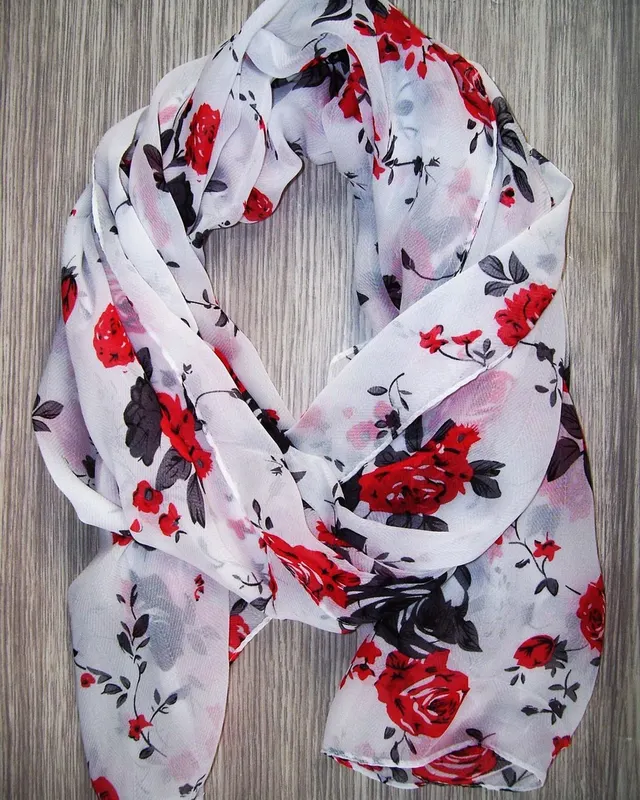 New

More from the journal
- Care
6 October 2026 · 2 min read
Why cashmere pills, and what to do about it
Pills are short fibres worked loose by rubbing. They are normal in the first few wears, and a comb removes them without harm.
Read more - Care
20 September 2026 · 3 min read
Leather care in humid weather
Mould starts above about 65 per cent humidity. Dry a wet bag slowly, store it where air moves, and never seal leather in plastic.
Read more - Care

22 August 2026 · 3 min read
Keeping moths away from wool and cashmere
Moth larvae eat wool, and they prefer it soiled, dark and undisturbed. Clean before storing, seal it, and move things often.
Read more


