Materials
A year of silk in Varanasi
Arjun Mehta · 15 October 2026 · 1 min read
Updated

From mulberry cocoons to twill on the loom: a season with the weavers who make our silk.
Our twill is woven on handlooms in a lane off the ghats of Varanasi, by a family that has worked with silk for four generations.
The yarn
The mulberry silk arrives as skeins of raw yarn. It is degummed, dyed in small lots and wound onto bobbins by hand, which is why no two dye lots are ever quite the same.
The loom
A twill weave steps the weft across the warp on a diagonal. It gives our silk its weight and its soft sheen. A weaver produces a little over a metre a day.
What it costs
We agree a price for each length before weaving starts and pay half in advance, so the family is never carrying our risk.
- silk
- weaving
More from the journal
- Materials
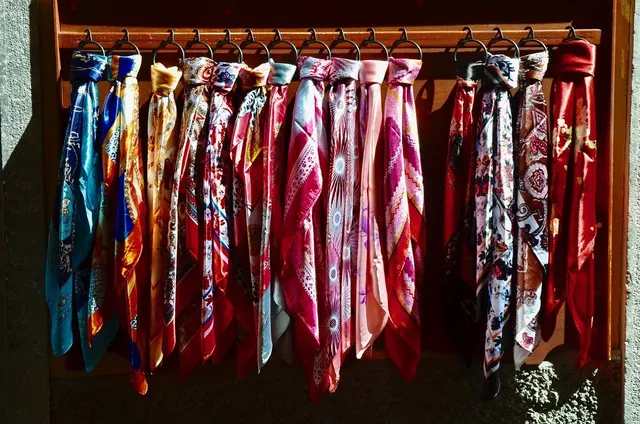
31 October 2026 · 3 min read
How to tell real silk from imitation
Real silk warms in the hand, shifts colour as it moves and burns like hair, not plastic. Five checks, and the one label worth asking for in India.
Read more - Materials

25 October 2026 · 2 min read
Cashmere and pashmina: what the two words mean
Both are the soft undercoat of a goat. Cashmere is defined by how fine the fibre is; Kashmir Pashmina is defined by where and how it is made.
Read more - Materials
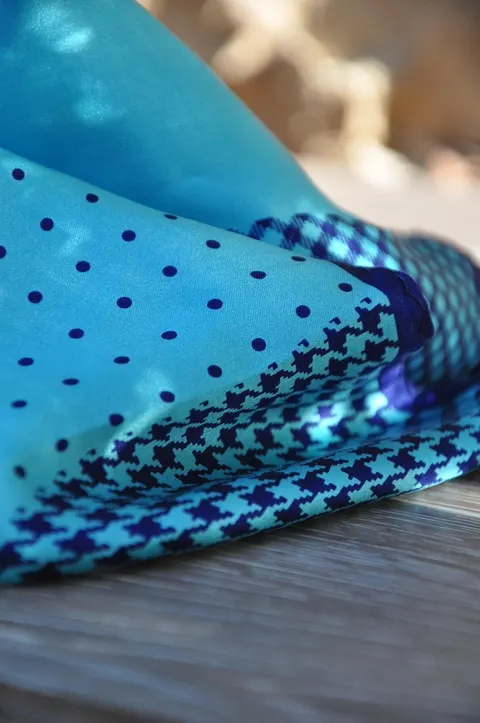
19 October 2026 · 2 min read
Momme: how silk is weighed
Silk is sold by weight, not thread count. One momme is about 4.34 grams per square metre, and the number tells you how a scarf will drape.
Read more


