Materials
Cashmere and pashmina: what the two words mean
The Journal · 25 October 2026 · 2 min read
Updated

Both are the soft undercoat of a goat. Cashmere is defined by how fine the fibre is; Kashmir Pashmina is defined by where and how it is made.
The short answer: pashmina is a kind of cashmere, not a different fibre. Cashmere is the fine undercoat of the cashmere goat, and the trade defines it by fineness: an average fibre no thicker than 19 microns. "Kashmir Pashmina" is a protected name in India for the finest of that fibre, taken from the Changthangi goat of Ladakh and spun and woven by hand in Kashmir.
What makes a fibre cashmere
A cashmere goat grows two coats: coarse outer guard hair and a soft down beneath it. The down is combed or collected in spring, when the animal sheds it, and the guard hair is removed. What is left is cashmere.
The Cashmere and Camel Hair Manufacturers Institute, the trade body for the fibre, sets three tests. The mean fibre diameter must not exceed 19 microns. The variation around that mean must stay within 24 per cent. And no more than 3 per cent of the fibre by weight may be thicker than 30 microns. The United States wrote the same limits into its wool labelling rules, so a garment sold there as cashmere has to meet them.
For scale, a human hair is roughly 70 microns across. Fineness is why cashmere feels soft against the neck where ordinary wool can prickle.
What pashmina adds
The word comes from the Persian pashm, meaning wool. In Kashmir it has long meant the down of the Changthangi goat, which lives on the high plateau of Ladakh, and the shawls made from it.
Kashmir Pashmina is registered in India as a geographical indication. As the registration is usually described, the fibre must be no thicker than 16 microns, and the yarn must be spun by hand and woven by hand in Kashmir. So the name protects three things at once: the animal, the fineness and the craft.
Why labels confuse
Outside that protected use, "pashmina" is applied loosely. Shops around the world sell "pashmina" scarves made of viscose, of wool blends, or of ordinary cashmere. In the United States the word is not a recognised fibre name at all: the label must still state how much cashmere, wool or other fibre the piece contains.
That gives a simple rule. Read the fibre content, not the name on the swing tag. "100% cashmere" is a claim with a definition behind it. "Pashmina" on its own is not.
How to judge a piece in the hand
- Softness with body. Good cashmere is soft but not limp. A stole that feels almost greasy-smooth in the shop may have been heavily finished and can pill quickly.
- Recovery. Stretch a small section gently and let go. It should return to shape.
- Weave or knit. Hold it to the light. An even, close structure wears better than a loose one.
- Weight for size. A fine woven stole is light, yet warm for its weight.
Our cashmere stole and pashmina wrap state their fibre and dimensions on the page. When either arrives, the care is the same: see caring for cashmere.
Sources and further reading
- Definition of cashmere, Cashmere and Camel Hair Manufacturers Institute.
- 16 CFR 300.19, use of the terms "mohair" and "cashmere", the United States labelling rule.
- cashmere
- pashmina
- buying guide
Pieces in this story
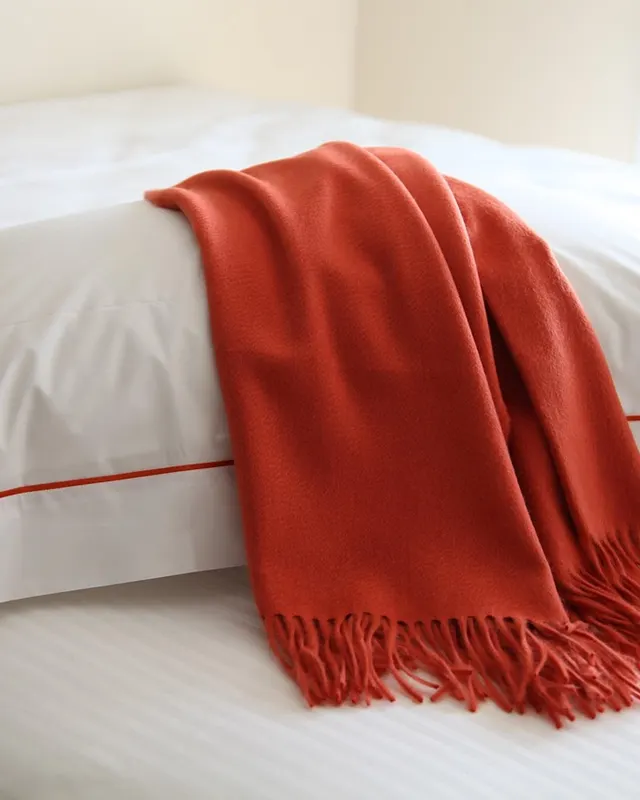 New
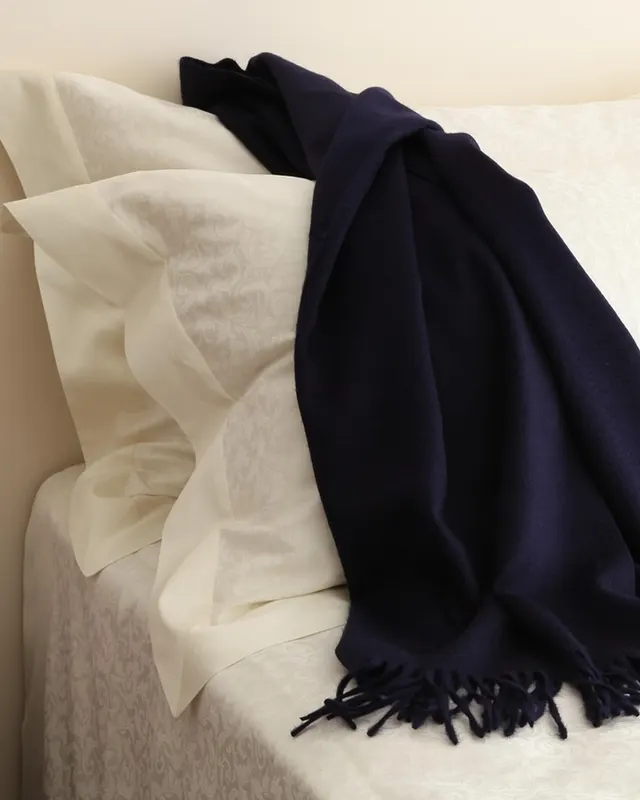 New


More from the journal
- Materials
31 October 2026 · 3 min read
How to tell real silk from imitation
Real silk warms in the hand, shifts colour as it moves and burns like hair, not plastic. Five checks, and the one label worth asking for in India.
Read more - Materials
19 October 2026 · 2 min read
Momme: how silk is weighed
Silk is sold by weight, not thread count. One momme is about 4.34 grams per square metre, and the number tells you how a scarf will drape.
Read more - Materials
15 October 2026 · 1 min read
A year of silk in Varanasi
From mulberry cocoons to twill on the loom: a season with the weavers who make our silk.
Read more


