Materials
Vegetable-tanned leather, and why it changes colour
The Journal · 27 September 2026 · 2 min read
Updated

Tanned slowly with bark and plant extracts, it starts firm and pale, then darkens and softens with light, oil and handling. That change is the point.
The short answer: tanning is what turns a raw hide into leather that will not rot. Vegetable tanning does it with tannins from bark and other plants and takes weeks. Chrome tanning does it with chromium salts in about a day and accounts for most of the leather made today, usually estimated at 80 to 90 per cent. Vegetable-tanned leather starts firmer and paler, and darkens into a patina as it is used.
How the two methods differ
In vegetable tanning, hides pass through a series of pits or drums holding tannin extracted from tree bark, wood and leaves, in solutions that get stronger as the weeks go by. The tannin binds to the proteins in the hide slowly.
Chrome tanning was developed in the nineteenth century. Hides are tumbled in a drum with chromium salts and are tanned in roughly a day. The leather comes out soft, takes dye evenly and resists water better.
What you notice as an owner
- Feel. Vegetable-tanned leather is firm and holds a shape, which suits belts, card cases, wallets and structured bags. Chrome-tanned leather is supple from the first day, which suits soft bags and gloves.
- Colour. Vegetable tanning gives warm, natural shades: tan, cognac, brown. Chrome tanning makes bright and uniform colours possible.
- Smell. Vegetable-tanned leather has a sweet, woody smell that most people think of as "leather".
- Water. Vegetable-tanned leather is more absorbent, so a drop of water can leave a mark until the whole surface has darkened.
- Ageing. This is the main difference.
Patina
Vegetable-tanned leather reacts to light, to the oils of the hand and to wear. A pale tan piece deepens over months to honey and then to a rich brown, with the most handled areas darkest and glossiest. Small scratches blend in as the surface burnishes.
Nobody can apply that finish in a factory. It is a record of use, and two pieces cut from the same hide will age differently in different hands.
Which is better?
Neither, in general. They are made for different jobs. Choose vegetable-tanned leather when you want a piece that keeps its shape and improves in looks over years, and you accept that it will mark and change. Choose chrome-tanned leather when you want softness, an exact colour that stays as it is, and less worry about rain.
How to check what you are buying
- Ask. A maker who uses vegetable-tanned leather will say so.
- Look at a cut edge. Vegetable-tanned leather is usually the same warm brown through its thickness; chrome-tanned leather often shows a blue-grey core.
- Read the description for the words "full grain". Tanning and grain are separate matters, and full grain means the surface has not been sanded away.
Looking after it is simple and mostly about moisture: see leather care in humid weather. Our small leather goods are under leather goods, including the card case and belt, and bags are under bags.
Sources and further reading
- Care of alum, vegetable and mineral-tanned leather, Canadian Conservation Institute Notes 8/2.
- leather
- buying guide
Pieces in this story
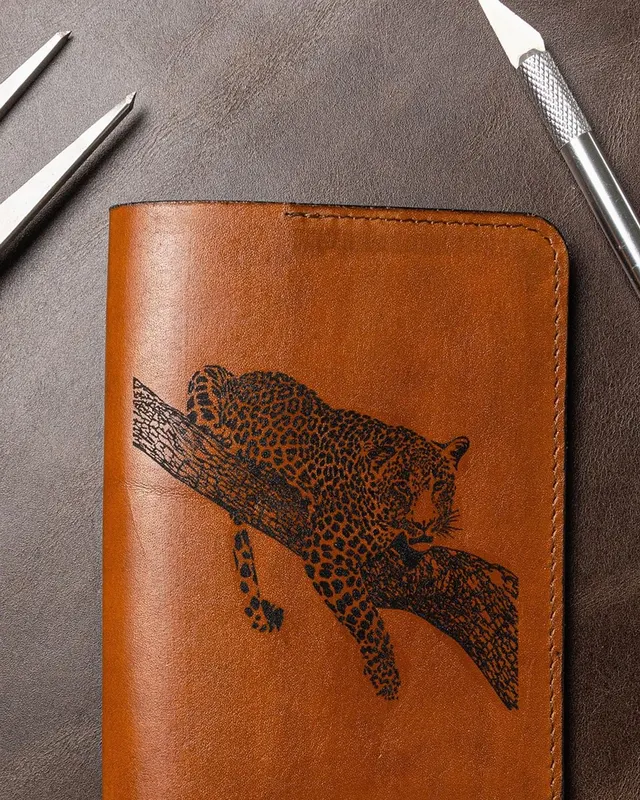 New
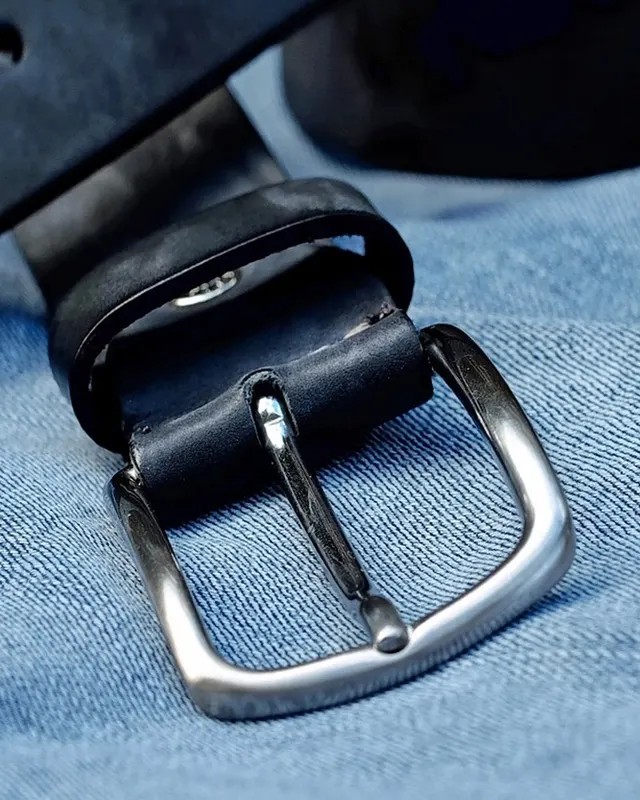 New


More from the journal
- Materials
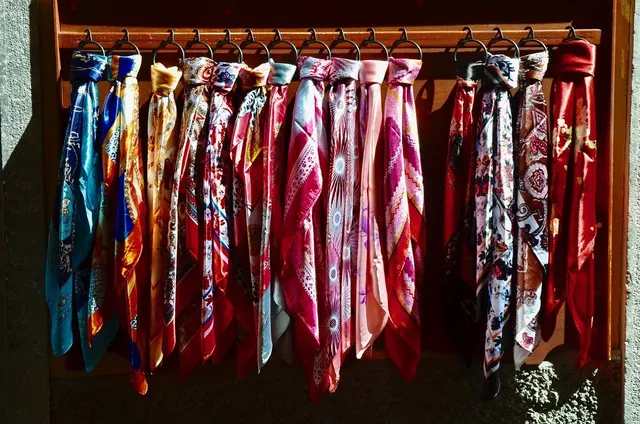
31 October 2026 · 3 min read
How to tell real silk from imitation
Real silk warms in the hand, shifts colour as it moves and burns like hair, not plastic. Five checks, and the one label worth asking for in India.
Read more - Materials
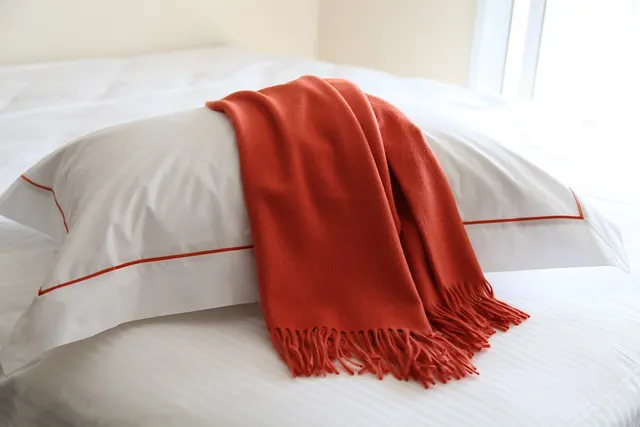
25 October 2026 · 2 min read
Cashmere and pashmina: what the two words mean
Both are the soft undercoat of a goat. Cashmere is defined by how fine the fibre is; Kashmir Pashmina is defined by where and how it is made.
Read more - Materials
19 October 2026 · 2 min read
Momme: how silk is weighed
Silk is sold by weight, not thread count. One momme is about 4.34 grams per square metre, and the number tells you how a scarf will drape.
Read more


